What Should Be Considered When Choosing a Plus Size Wedding Dress?

Choosing a plus size wedding dress is not just about finding a model that fits your body size. The most important thing is; It is to choose designs that balance the body proportions correctly, make the silhouette look elegant, maintain its form while moving, and offer a look that the bride carries, not the wedding dress. The wrong cut or the wrong fabric selection can cause a wedding dress that looks stylish in the mirror to be perceived as heavy, wide or unbalanced in photos.
For this reason, the aim of choosing a plus size wedding dress is not to hide the body; is to read the body correctly and turn strengths into advantages. A correctly designed plus size wedding dress; It clarifies the waistline, makes the height look taller and more balanced, and strengthens the bride’s posture both physically and visually. When the cut, fabric and upper body details are considered as a whole, the wedding dress turns into a design that not only fits the body but also complements the body aesthetically.
Plus size wedding dress; They are photo-compatible wedding dress models that balance body proportions, clarify the waist line, are designed with matte and fluid fabrics.
In this guide, what to consider when choosing a plus size wedding dress; We discuss it in all details, from cut preference to fabric structure, from collar form to stance in photos, and explain how an elegant, strong and balanced silhouette can be achieved with the right choice.
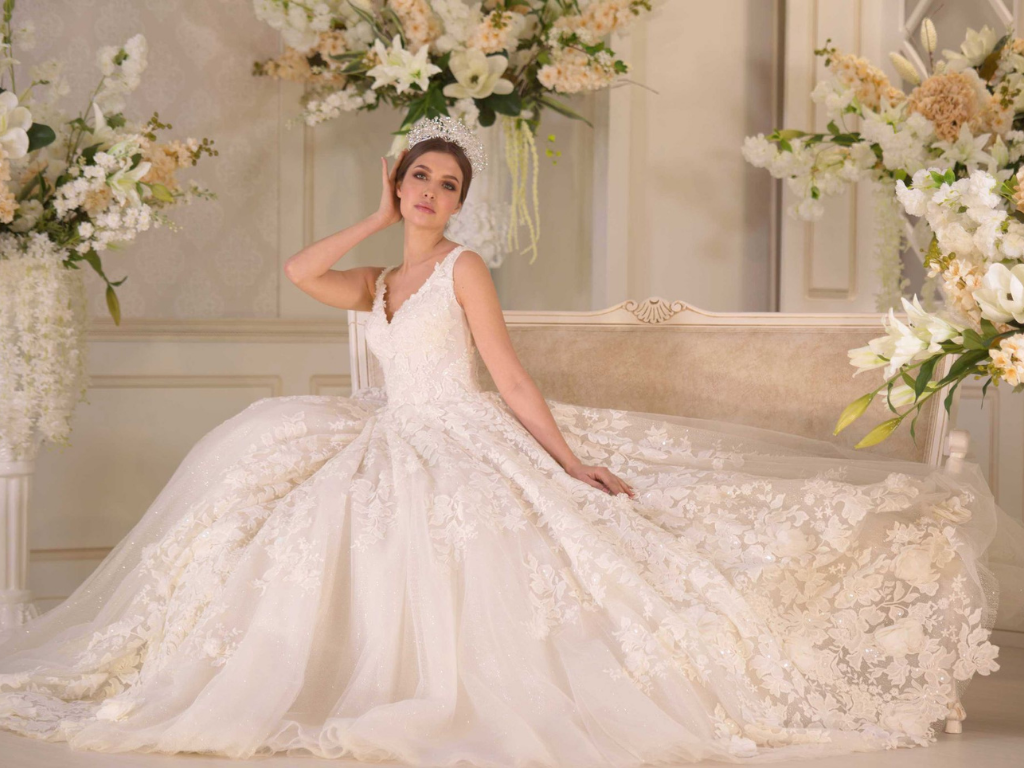
The Most Important Criterion in Plus Size Wedding Dress: Balancing the Body Proportion
The most common mistake when choosing a plus size wedding dress is to try to hide the body completely. However, the camera and the human eye tend to perceive the hidden areas larger. Therefore, the ideal approach is not to hide the body; It is to show proportional to the right segments.
Cuts that clarify the waist line and separate the upper body and lower body in a balanced way are the basic building blocks of plus size wedding dresses. Unclear cuts, straight down forms or one-piece voluminous models can make the silhouette look wider than it is in photos. On the other hand, designs with a waist emphasis make the body perceived more balanced and elegant.
At this point, it is absolutely necessary to look at how the wedding dress looks not only from the front, but also from the side profile and when moving .
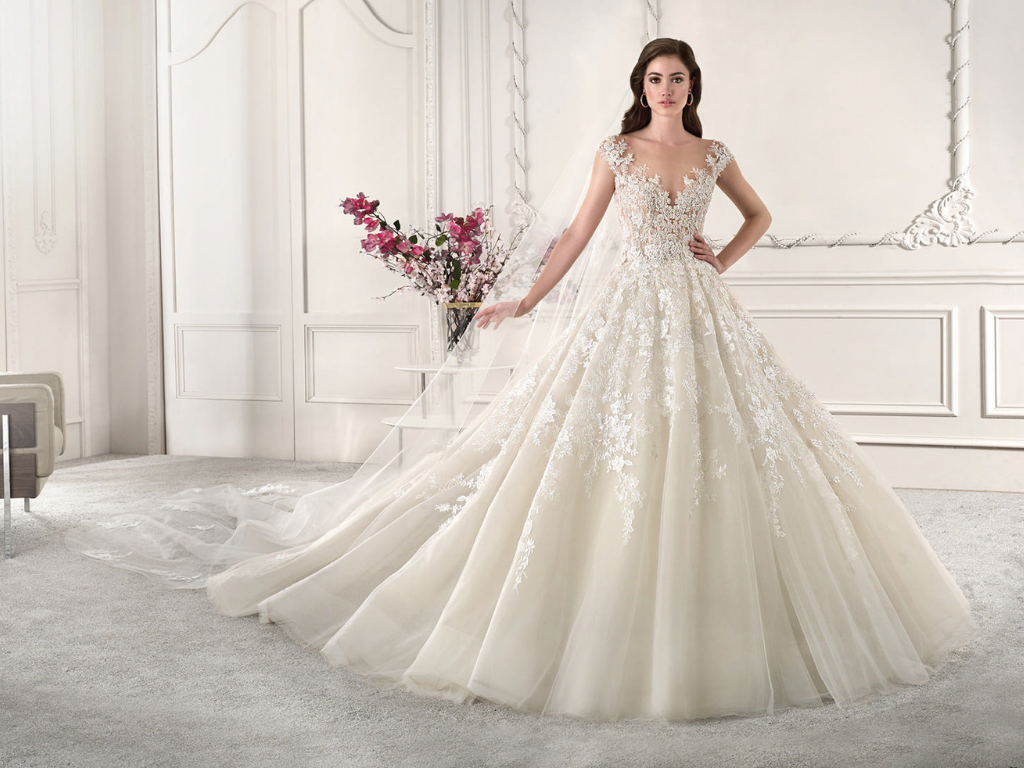
Which Cuts Are More Advantageous in Plus Size Wedding Dresses?
Choosing the right cut for plus size wedding dresses directly determines how the silhouette will be perceived in photos and real posture. While some cuts automatically balance body proportions, some models can overstate the volume.
The most advantageous cuts in plus size wedding dresses; They are A-cut, waist-fitting and fluid skirt models and empire (waist under the bust) cut wedding dresses.
These cuts clarify the waist line, make you look taller and maintain the upper-lower body balance.
A Line Wedding Dresses
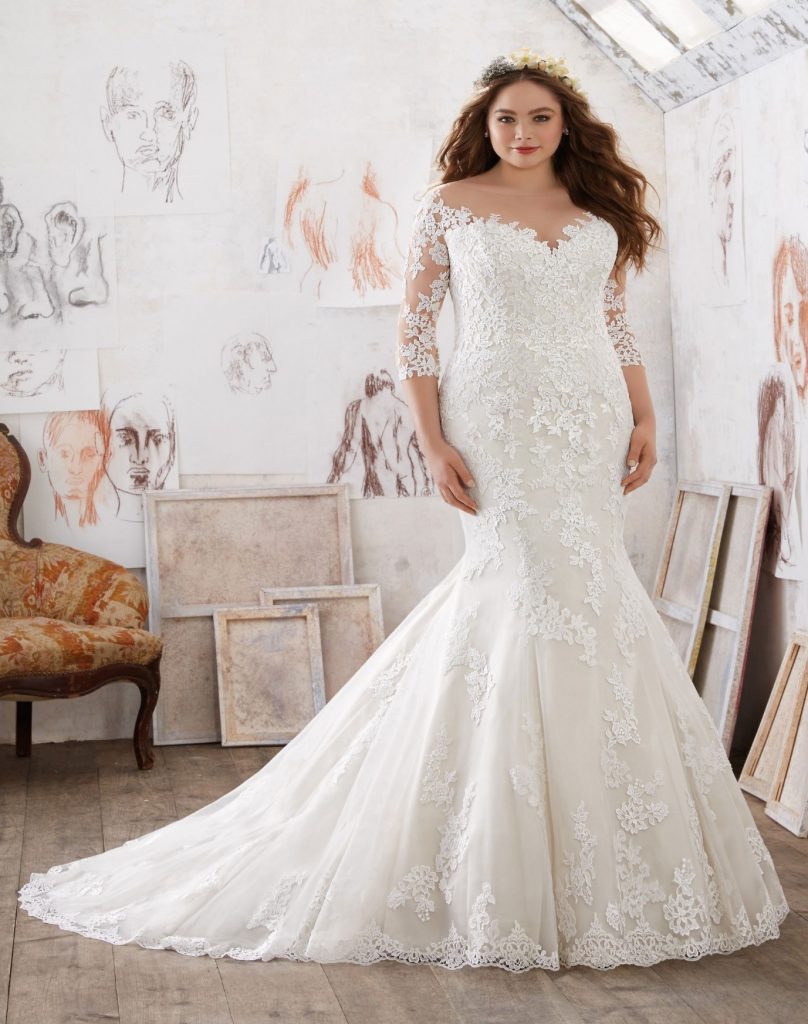
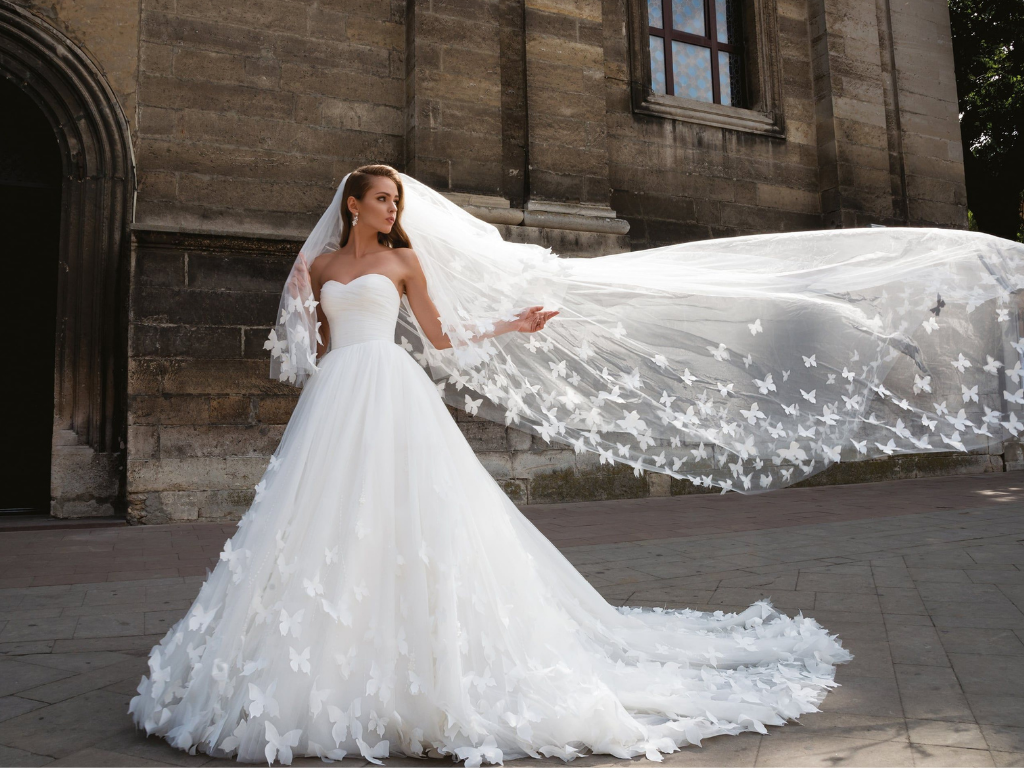
A-line wedding dresses are one of the safest and most recommended cuts for plus size brides. The form, which opens softly from the waist down, balances the hip and hip area and makes the silhouette appear thinner than it is. It maintains its form even if the camera angle changes, giving it a consistent look both in photos and on the go.
Waist-fitting, fluid skirt models
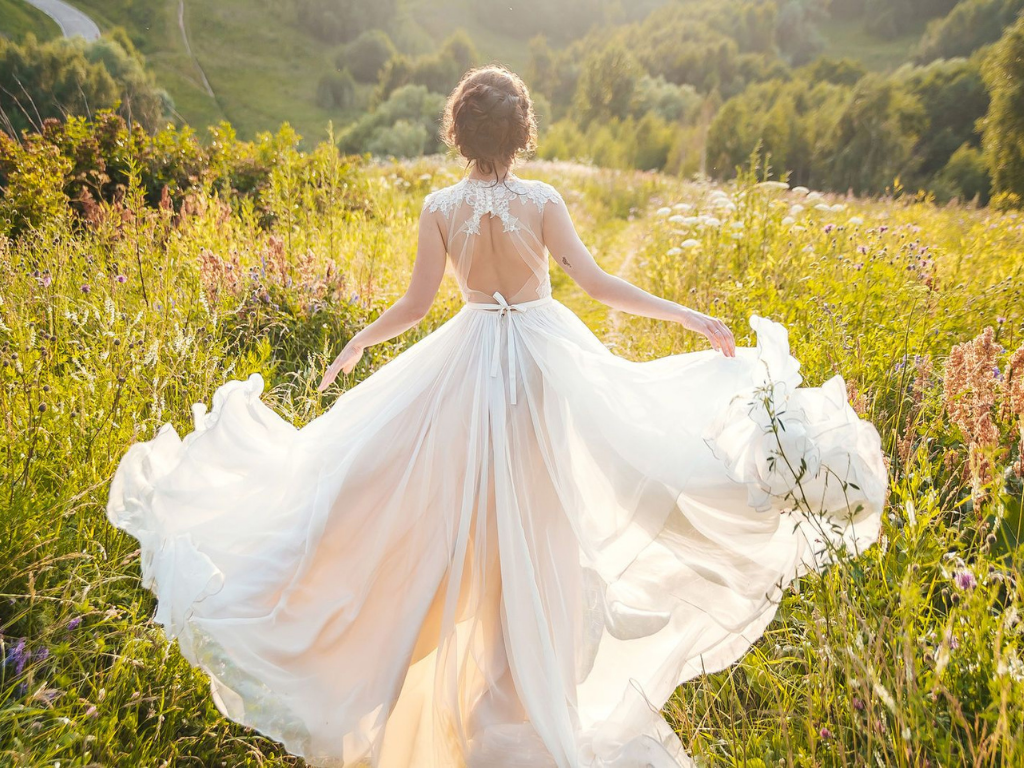
Models with a clearly emphasized waist line and a non-rigid skirt create an elegant stance for plus size brides. The fluid skirt structure will not break when walking or dancing; This results in a natural and fluid silhouette in photos. These models are especially advantageous in outdoor shooting.
Empire Cut (Waist Under Bust)
The waist line starting under the chest relaxes the abdomen and waist area and makes the body look more balanced. It offers the right proportion for brides with a strong upper body and a fuller lower body. However, the choice of fabric is important in this cut; Fluid textures should be preferred instead of very flat and hard fabrics.
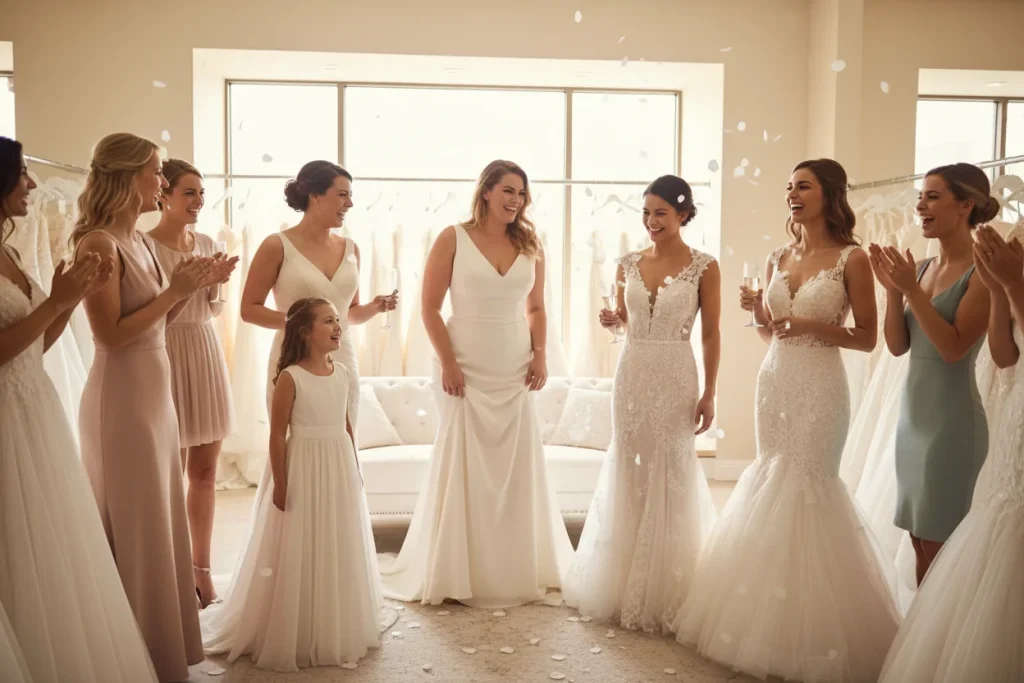
Why is the choice of fabric in a plus size wedding dress so critical?
Fabric selection is as decisive as the cut in plus size wedding dresses, and often even more than the cut. Choosing the wrong fabric can make even the most accurate cut look heavy and unbalanced in photos.
The most accurate fabrics for plus size wedding dresses; They are matte or semi-matte textured, fluid and soft light reflecting fabrics.
Such fabrics hug the silhouette without overpowering it and keep the volume under control.
Shiny and hard-surfaced fabrics can reflect light too much and make the wedding dress appear wider than it is. This effect becomes more pronounced, especially in flash and daylight shots. In contrast, matte and draped textures offer a much more balanced and refined look in photos.
Fabrics with high photo compatibility in plus size wedding dresses are generally as follows:
- Fluid crepe fabrics
- Soft-textured, lightweight tulle
- Quality and breathable lace
- Matte satin or mikado-like textures instead of subtle glossy satin
These fabrics hug the body without compressing it, creating a more elegant and balanced silhouette both in real posture and in photos.
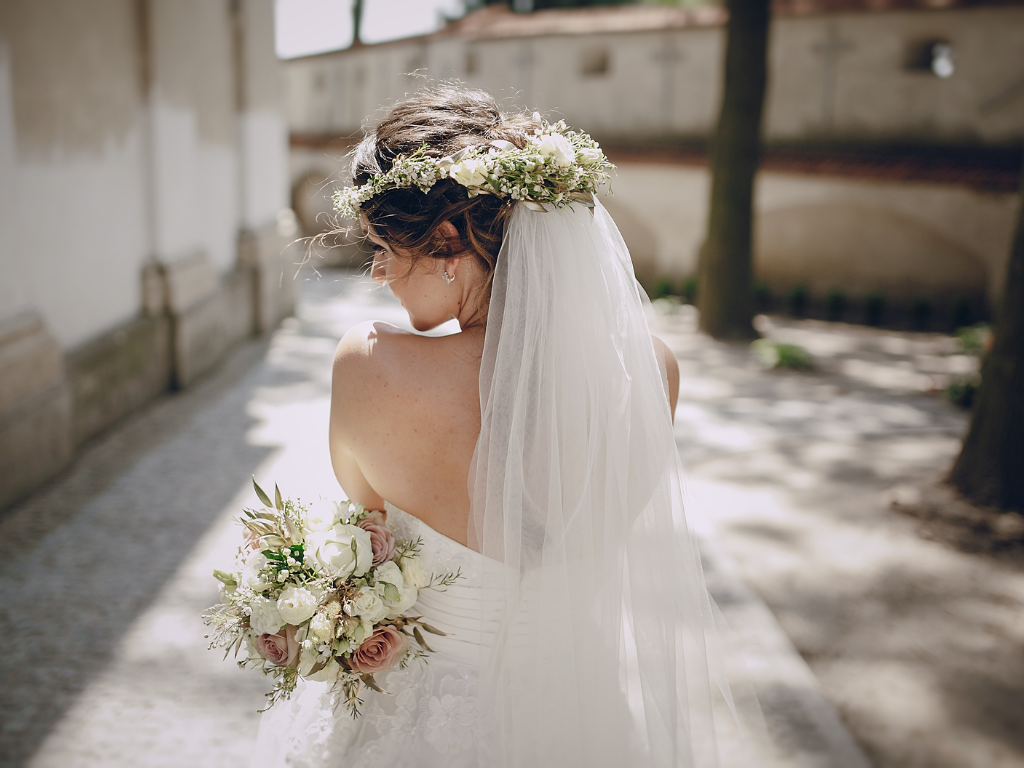
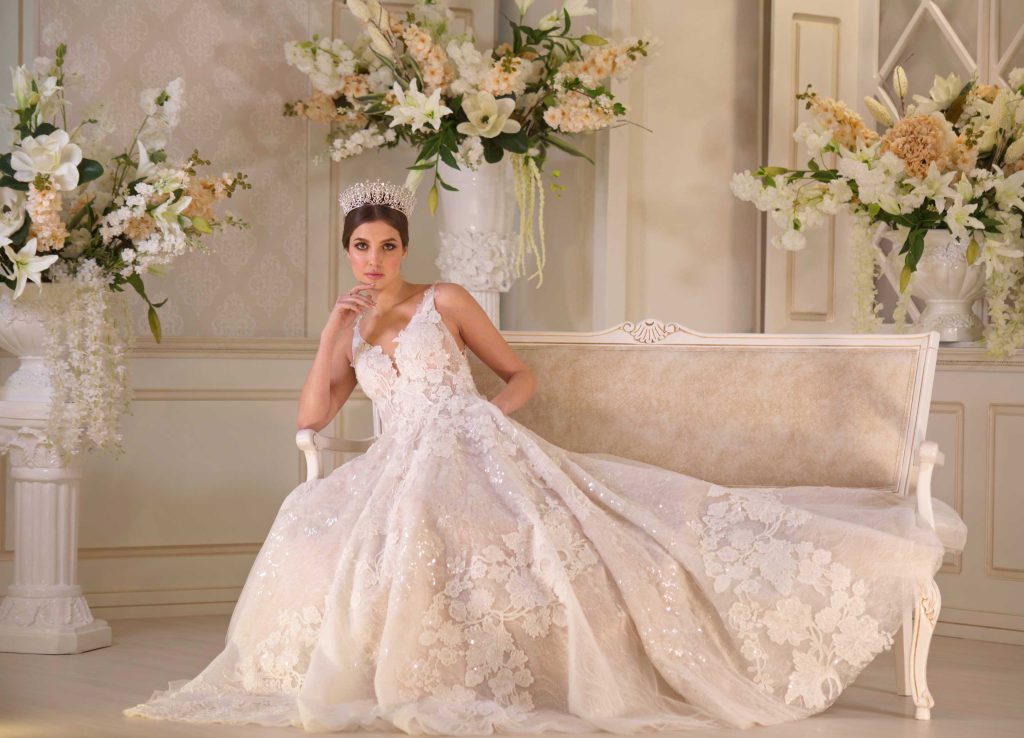
How Should the Collar and Upper Body Design Be in Plus Size Wedding Dresses?
In plus size wedding dresses, the neckline and upper body design play a decisive role in the balanced and elegant perception of the silhouette. The wrong collar form can make the shoulders wide, and the wrong upper body setup can make the body look heavier than it is.
The most ideal neckline and upper body designs in plus size wedding dresses; These are forms that lengthen the neck, balance shoulder width and support the waist line.
Therefore, the choice of collar should be evaluated not only in terms of aesthetics but also in terms of proportion management.
V-neck and slightly deep neckline forms make the neck area look longer and make the upper body look slimmer. Boat necklines, strapless or very closed necklines can widen the shoulder line and create a feeling of heaviness in the upper body. Strap structures that hug the shoulders but are not excessively thick provide visual balance between the upper body and the lower body.
The lace and embroidery used on the upper body should also be strategically placed. Positioning the details at waist level or close to the middle axis makes the body proportions look more balanced. Excessively dense embroidery in the shoulder and chest area can weigh down the silhouette upwards.
Why Should Photo Harmony Be Considered Separately in Plus Size Wedding Dresses?
Photo harmony in plus size wedding dresses is not only aesthetic; It is a matter of technical evaluation. The camera works differently than the human eye and tends to magnify the volume, exaggerate the brightness.
Photo matching plus size wedding dress; It is a wedding dress that maintains its form at different angles, reflects the light softly and does not distort the silhouette while moving.
For this reason, it should be tested whether a model that looks good in the mirror will give the same effect in photos.
Especially when choosing a plus size wedding dress, it is not only the standing posture of the wedding dress; Its appearance should be evaluated while sitting, walking and from the side profile. How the fabric reacts under light and how the upper body is perceived in close-up shots also directly affect photographic performance.
A photo-matched plus size wedding dress offers a balanced and elegant silhouette, even in natural shots taken without posing.
The Most Common Mistakes When Choosing a Plus Size Wedding Dress
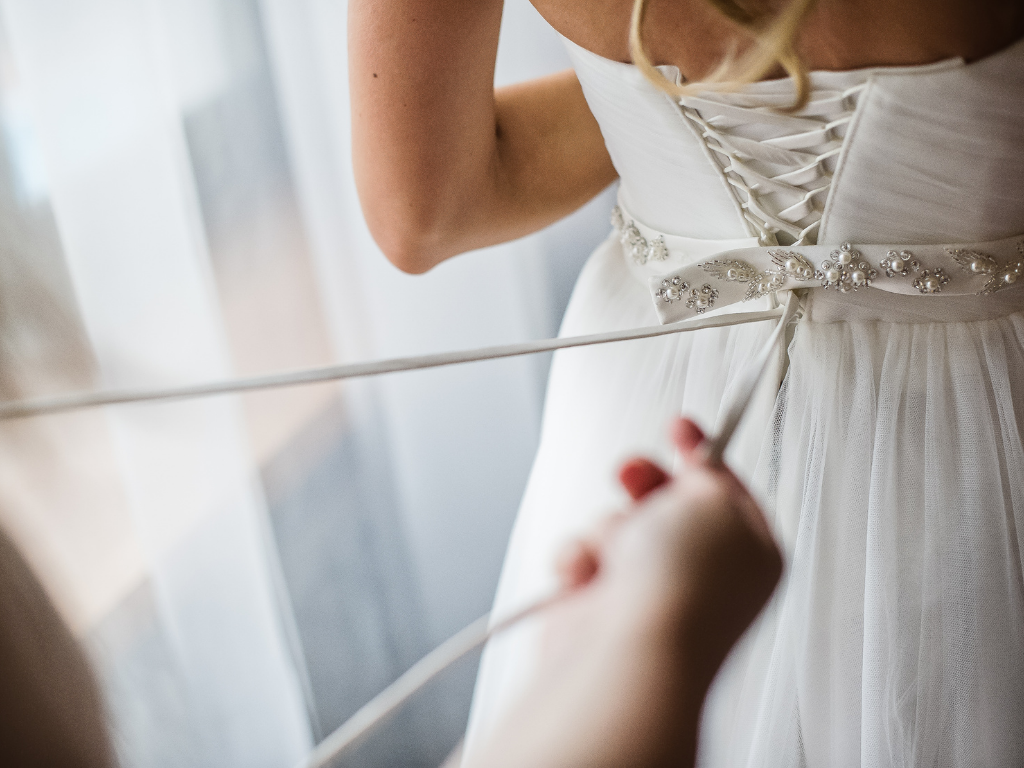
Most of the mistakes made in choosing a plus size wedding dress are due to the desire to hide the body. However, this approach often causes the silhouette to appear wider and heavier.
The most common mistakes made in plus size wedding dresses; straight cuts that destroy the waistline, shiny fabrics that increase volume and disproportionate use of details.
Such choices can create an unbalanced look in photos instead of simplifying the wedding dress.
The most common mistakes include flat forms without a waistline, fabrics with an overly shiny and hard surface, too dense and small-scale embroidery, and layers that increase volume in the side profile. While these details may seem small on their own, when combined, they can seriously distort the perception of the silhouette.
When these mistakes are avoided, plus size wedding dresses; It offers an elegant, balanced and strong stance, offering a look where the bride stands out.
Why Does Personalized Sewing Provide an Advantage in Plus Size Wedding Dresses?
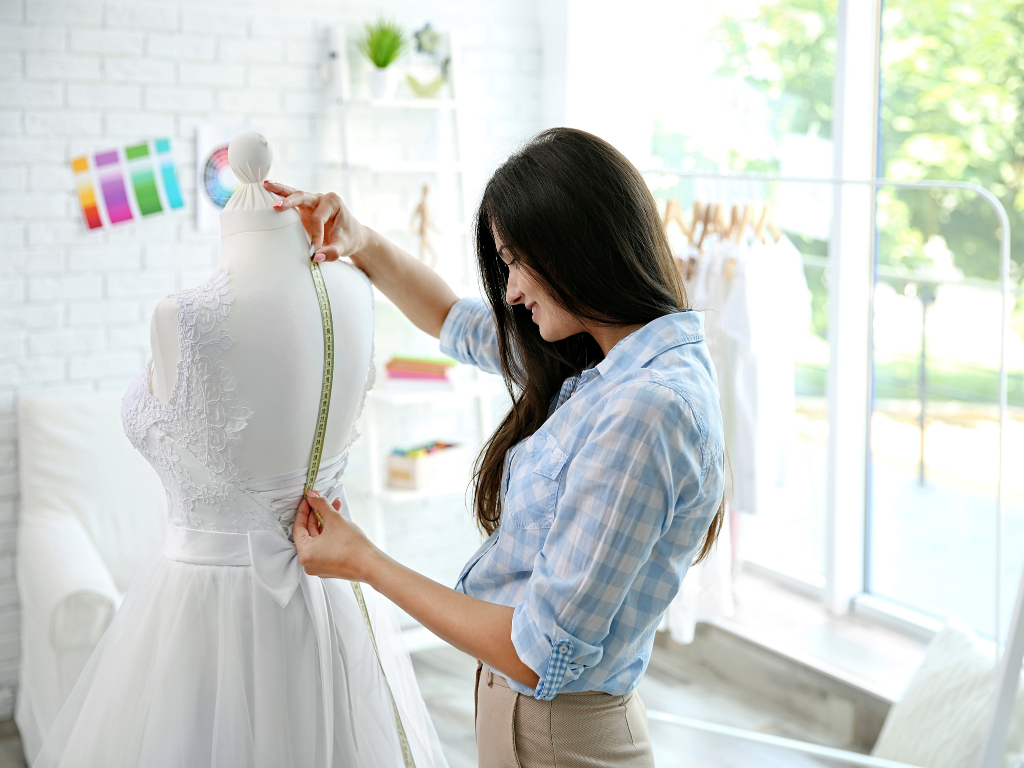
Since ready-made wedding dresses are produced according to standard size proportions, plus size brides often require alteration. However, renovation does not always give the ideal result. At this point, personalized sewing is a great advantage for plus size brides.
In tailor-made sewing:
- Waist, shoulder and chest proportions are adjusted correctly
- Body strengths are highlighted
- Photo harmony is planned from the beginning
In this way, the wedding dress adapts to the bride’s body; The bride does not have to comply with the wedding dress.
Proceeding with the Right Guide in Choosing a Plus Size Wedding Dress Makes a Difference
Choosing a plus size wedding dress is a process that requires knowledge and experience. Choices made without proper guidance can turn into regret on the wedding day. An approach that analyzes the body type correctly and considers the cut-fabric-photo harmony together makes a difference in choosing a wedding dress.
It should not be forgotten that plus size wedding dresses do not mean limited options. Plus size wedding dresses with the right design and the right perspective; It offers an elegant, strong and highly aesthetic silhouette.
Why is it important to work with the right address for plus size wedding dresses?
Choosing a plus size wedding dress is not just about liking the model; Body analysis is a professional process that requires cutting knowledge and photo harmony. At this point, it is decisive to move forward with brands that truly understand the needs of the bride, are experienced in plus size molding and treat each size individually , not standard.
My Dream Wedding Dress adopts an approach in plus size wedding dress design that highlights the body in the right proportion, not “hiding the body”. Each bride’s body structure is analyzed separately; waist line, upper body balance and skirt form are planned by considering photo harmony. In this way, the wedding dress offers a strong silhouette not only during the rehearsal, but also on the wedding day and wedding photos.
Especially for plus size brides;
- Special patterns that clarify the waist line
- Glare-controlling, photo-friendly fabrics
- Skirt structures that maintain their form in motion
Details such as these form the basis of My Dream Wedding Dress designs. Purpose; It is not to create a look that “carries” the wedding dress, but that the wedding dress complements the bride with elegance.
Take the first step now to discover what suits you best in a plus size wedding dress, try models specially designed for your body type and achieve a flawless looking silhouette in photos. In a one-on-one meeting with our expert team; Cut, fabric and design details are analyzed specifically for you, and your dream wedding dress is planned together. Do not leave the choice of wedding dress to chance with the right guidance and personalized design.
Frequently Asked Questions
What should be considered the most when choosing a plus size wedding dress?
The most important criterion when choosing a plus size wedding dress is to choose a cut that balances the proportions of the body. Models made of matte and fluid fabrics that clarify the waist line, separate the upper and lower body correctly, offer a more elegant silhouette both in photographs and in real posture. In addition, the wedding dress is not only standing; How it looks while sitting, walking and from the side profile should also be evaluated. The right choice does not hide the body; It balances the body aesthetically.
Which cuts make you look thinner in a plus size wedding dress?
A-cut, flowing skirt sitting at the waist and correctly proportioned empire cut designs make the bride look slimmer and more balanced. These forms make the waist line more prominent, making the height longer and the silhouette perceived more proportionally. Especially when soft-transitioned, controlled-opening skirt structures are preferred instead of hard and straight models, a more fluid appearance is obtained both in motion and in photographs.
What fabrics should be avoided in plus size wedding dresses?
Overly shiny, stiff, and thick-textured fabrics can increase volume, creating a wider look in photos. High-shine satins, stiff tulle, and thick fluffy layers in particular can weigh down the silhouette. Instead, matte, semi-dull and flowing fabrics should be preferred. Fabrics that reflect light softly create a more balanced effect both in front of the camera and in natural light.
Why might a plus size wedding dress look different in photos?
The camera tends to exaggerate volume and brightness more than the human eye. Therefore, a model that looks stylish in the mirror may be perceived as wider or heavier in photos. Especially in flash shots, shiny fabrics can increase the volume. Photo-compatible designs; It is planned with fabrics that reflect light in a controlled manner, balanced cuts and forms that do not spoil the side profile. Therefore, when choosing a wedding dress, attention should be paid not only to the mirror, but also to photo tests.
How should the collar be chosen for a plus size wedding dress?
V-neck and slightly deep neckline forms balance the silhouette by making the neck and upper body appear longer. Such necklines soften the facial line and make the shoulder width look more proportional. Very closed, boat or excessively wide horizontal collar forms can make the upper body appear wider. When choosing a collar, shoulder width, chest ratio and height should be evaluated together.
Why is custom tailoring important in plus size wedding dresses?
Personalized sewing allows the proportions of the waist, shoulders and chest to be adapted to the body exactly. Since ready-made patterns are often produced according to standard sizes, they may not create a full balance for plus size brides. In personalized studies, ratio analysis is performed, the waist line is strategically positioned and upper body support structures are planned. In this way, the wedding dress turns into a strong design that not only fits the body, but also complements the body aesthetically.
What are the most common mistakes made when choosing a plus size wedding dress?
Straight cuts without a waistline, overly shiny fabrics, too dense small embroidery and layers that increase volume in the side profile are the most common mistakes. In addition, the “let it be loose, hide it” approach can also make the silhouette look wider. Disproportionate sleeve details and intense appliqués on the shoulder can also weigh down the upper body. The right approach is not to increase volume; is to manage the rate.
Why does working with the right brand make a difference in plus size wedding dresses?
This category is not with standard patterns; It should be designed by considering body analysis, cutting information and photo harmony together. An experienced team doesn’t just recommend models; It analyzes the bride’s strengths and guides the design accordingly. Thus, the wedding dress is not the one that carries the bride; It becomes a design that supports the elegance of the bride. Professional guidance reduces the risk of surprise on the wedding day.
Why is it important to experiment with a plus size wedding dress by appointment?
In one-on-one appointment trials, the bride’s body structure is analyzed in detail, and cut and fabric options are evaluated together. The most balanced silhouette is determined by trying different fabric versions of the same model. This process makes the choice of wedding dress conscious and controlled by taking it out of trial and error. In addition, performing a motion test during the rehearsal provides a great advantage in terms of comfort on the wedding day.